
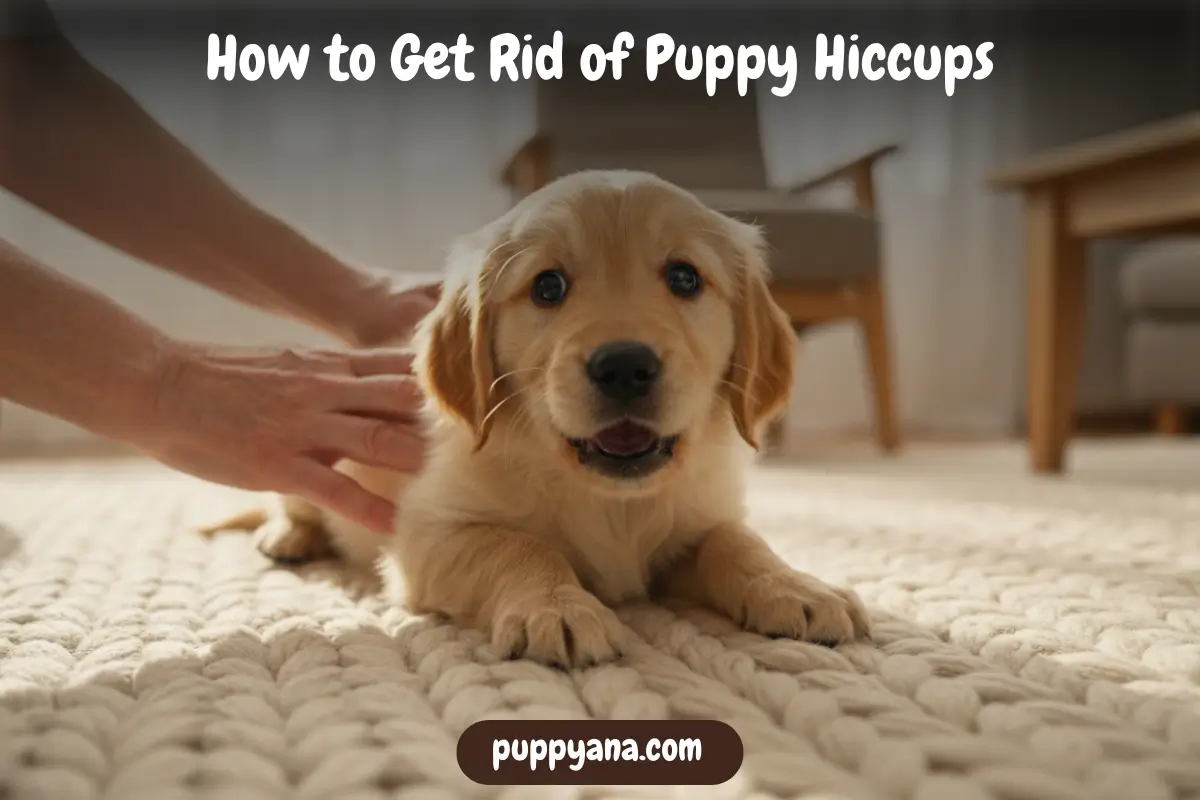
You hear an odd “hic!” from your puppy’s side. Then another—and another. You start to worry: “Is something wrong? Should I do something to help?”
If you’re searching how to get rid of puppy hiccups, you’re not alone, almost every new dog owner will see these funny little spasms at least once. Good news: most puppy hiccups are harmless and pass quickly! Puppies, like babies, get hiccups when their diaphragm muscle suddenly contracts.
But when do hiccups become a problem? And can you help your puppy feel better, or stop them faster?
This guide will cover:
- Why puppies get hiccups (and what’s normal)
- 8 gentle ways to help hiccups go away
- When hiccups might be a sign of a bigger health issue
- Tips for preventing frequent or stressful hiccups
Most advice here is based on real puppy-raising, vet recommendations, and trusted resources like AKC, VCA Hospitals, and PetMD. Let’s give your puppy fast (and safe) comfort, so you both can relax!
Why Do Puppies Get Hiccups?
Hiccups happen when the diaphragm muscle (under your puppy’s lungs) contracts quickly and makes a “hic!” sound. Puppies get them more than adult dogs because their nervous systems are still developing.
Common puppy hiccup triggers:
- Eating or drinking too fast
- Rough playing or excitement
- Sudden changes in breathing (panting after play)
- Minor swallowing of air while barking or chewing
Most hiccups last just a few minutes. For brand-new puppies, hiccups can show up several times a week!
Real-life insight:
My border collie pup, Pepper, hiccupped after every meal for the first month. Once we slowed down her eating and watched for “post-play” excitement, the hiccups faded almost overnight.
What Causes Hiccups to Last Longer in Puppies?
Most puppy hiccups last just a few minutes. But sometimes, you might notice hiccups that seem to go on and on.
Common causes for longer hiccups:
- Eating or drinking extremely fast (swallowing more air)
- Excitement or nervousness before meal or play
- Gulping water after rough play
- Foods that irritate the belly (greasy treats, new kibble)
- Mild stomach upset, gas, or even teething in some puppies
Longer hiccups are almost always still harmless, especially if your puppy bounces back right after and is eating, playing, and acting normal. If you’re ever in doubt, a quick text, call, or video to your vet can bring peace of mind.
How to Get Rid of Puppy Hiccups: 8 Easy Home Tips
Most of the time, puppy hiccups don’t need any treatment—they fade on their own. But if your puppy seems uncomfortable, you can help them speed up the process safely.
Try any of these simple tricks:
1. Calm Your Puppy Down
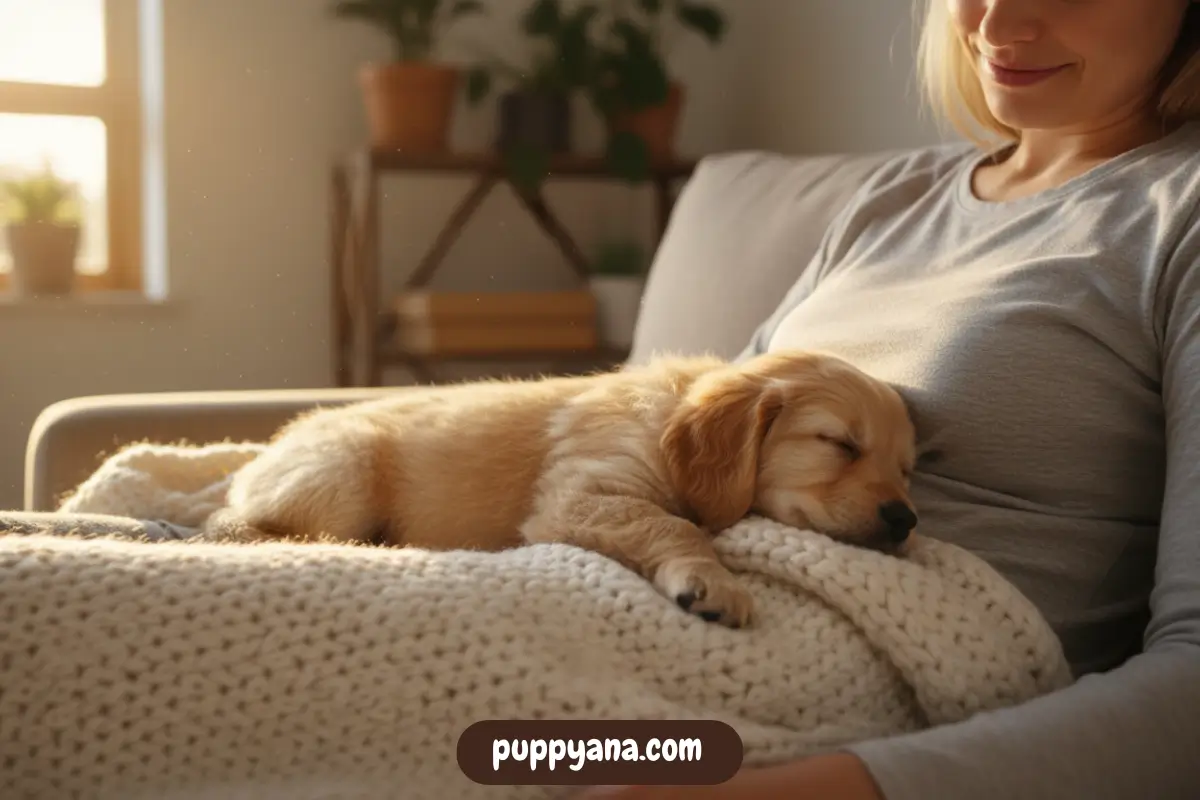
Pet or cuddle your puppy to gently slow their breathing.
2. Offer a Small Sip of Water
Drinking slowly can help relax the diaphragm. Don’t force water—let them drink at their pace.
3. Switch to a Slower Feeding Method
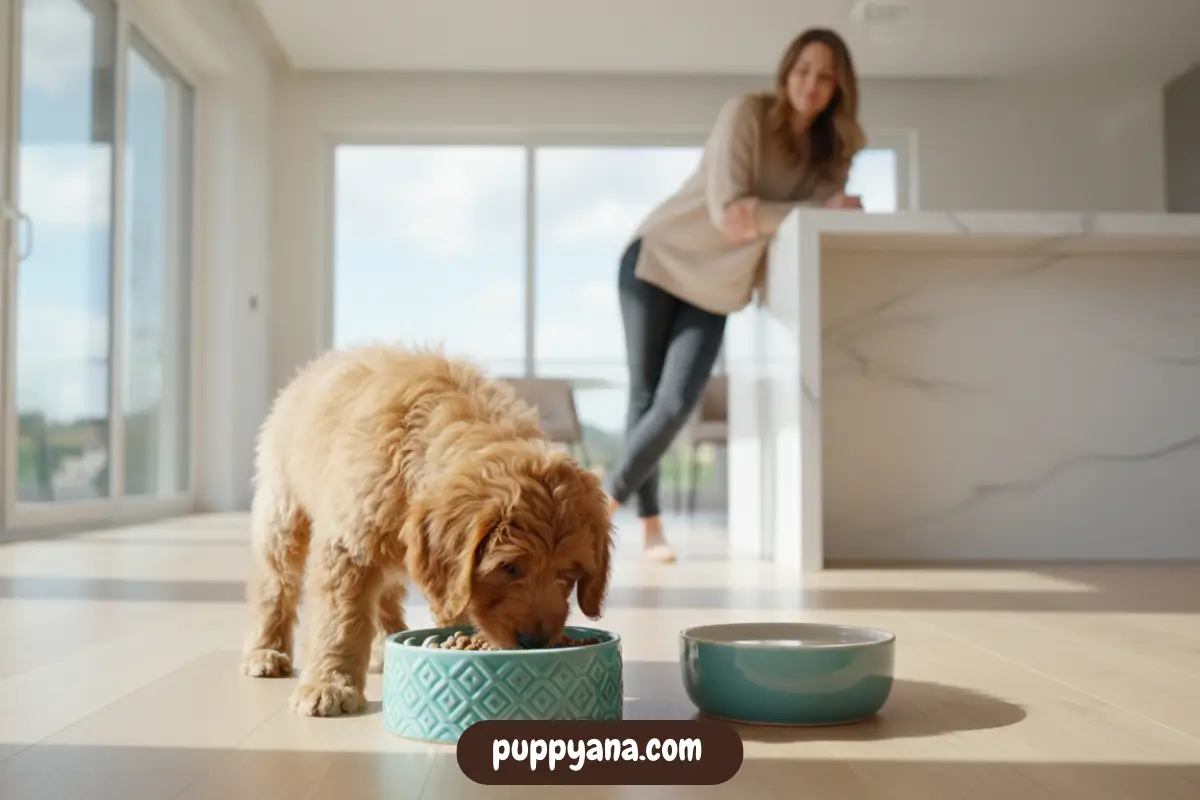
If hiccups often happen after eating, use a slow feeder bowl, muffin tin, or scatter food on a flat mat.
4. Stop Play for a Few Minutes
If your puppy starts hiccupping during rough play, pause and let them catch their breath.
5. Burp or Gently Massage the Belly
Lightly rub your pup’s chest or sides to comfort them—never squeeze.
6. Distract With a Calm Activity
Try chew toys, gentle sniffing games, or just snuggle on the couch.
7. Short Outside Break
Let your puppy sniff calmly outdoors. A slow walk can reset their breathing and help hiccups pass.
8. Check for Stress or Anxiety
Sometimes, overstimulation or a new environment can trigger hiccups. Keep things peaceful.
What not to do:
- Don’t scare or startle your puppy (no “boo!” or loud noises)
- Don’t give sugar, vinegar, or other “folk remedies” meant for humans
- Don’t force food or water
Can I Prevent Hiccups By Changing Puppy Feeding Times?
Sometimes, when and how often you feed your puppy makes a difference in hiccup frequency.
Feeding tricks to try:
- Split daily food into 3–4 small meals instead of two big ones
- Wait 10–15 minutes after play before offering food; let your puppy calm down
- Avoid feeding right after play, running, or training
- Always give fresh, room temperature water—not too cold
Consistent schedules help puppies slow down and avoid gulping, which can bring on those pesky hiccups.
For schedule ideas based on puppy age, check AKC’s daily puppy feeding chart.
When Should You Worry About Puppy Hiccups?
Sometimes, repeated or long-lasting hiccups can point to something else. Contact your vet if:
- Hiccups last more than 1 hour and don’t stop
- Hiccups happen daily for several weeks
- Your puppy coughs, chokes, retches, or wheezes between hiccups
- There is vomiting, diarrhea, or loss of appetite
- You see blue gums, severe fatigue, or signs of choking
Prolonged hiccups (not stopped by calming, feeding or time) can be a sign of:
- Acid reflux or GI upset
- Parasites (especially if happening with other symptoms)
- Pneumonia or serious lung issues (rare)
- Allergies
- Heart problem in a very young puppy (rare but serious)
If you’re unsure, video the hiccups and show your vet—it can save time and worry.
My Puppy Gets Hiccups and Sneezes—Is That Normal?
Puppies use their nose and mouth for everything. It’s common to see a burst of hiccups paired with a few cute sneezes—especially during sniffy play or right after a meal.
Usually normal if:
- No trouble breathing between sneezes or hiccups
- No colored nasal discharge
- Puppy bounces back quickly and resumes play
Red flags to call your vet:
- Continuous sneezing with blood
- Coughing, choking, or gagging
- Hiccups combined with clear difficulty drawing breath
If sneezing happens with every feeding, check for dust, strong cleaning products, or powdery treats nearby.
How to Prevent Puppy Hiccups in the Future
- Split daily food into 3–4 smaller meals
- Use a slow-feeding bowl for eager eaters
- Limit rough play right before and after meals
- Watch for changes after switching foods or water
- Train your puppy to sit and wait for food release
- Keep new puppy environments calm, steady, and not too exciting
PuppyAna suggests keeping a “puppy log” if you see frequent hiccups—tracking meal times, excitement, and symptoms to notice early trends.
Can Certain Foods or Treats Cause Puppy Hiccups?
Some puppies seem to get hiccups after eating particular foods or treats—especially if they’re new, extra-rich, or have strong scents.
Foods that might trigger hiccups:
- Rich, high-fat treats (cheese, bacon, peanut butter)
- Table scraps or people food
- Spicy or highly flavored dog treats
- Switching to a new food brand quickly
To help, always introduce new foods slowly. Stick to plain, puppy-safe treats, and don’t change food suddenly. If you notice hiccups after something specific, skip that ingredient next time.
For more puppy nutrition advice, see PetMD’s guide on puppy feeding and treat safety.
Are Puppy Hiccups Ever Dangerous?
For almost all healthy puppies, no—hiccups are just a sign of an active, growing body. But if anything seems off (lots of other symptoms, or unhappy puppy), always check in with your vet.
If your puppy seems in pain, is drooling or gagging, or has trouble breathing, it is not regular hiccups. Call your vet right away.
Conclusion
It’s normal to feel uneasy when your puppy’s body does something new—but now you know how to get rid of puppy hiccups safely and when to call for help.
In almost every case, hiccups are a phase—just another part of your puppy growing up! With a few calm tricks and smart feeding, your puppy will soon be back to bouncing and napping, hiccup-free.
If hiccups ever seem weird or last too long, trust your instincts and call the vet.
Want more dog parent tips? Ask for a printable “puppy first aid & symptom guide,” or share your questions for the next FAQ!
Frequently Asked Questions
Why does my puppy get hiccups so often?
Puppy nervous systems are still maturing, and fast eating or big play sessions can trigger hiccups easily.
Can you give anything for puppy hiccups?
Usually, just calm and clean water. Don’t give medicine or human remedies unless a vet says so.
How long do puppy hiccups last?
Most last under 10 minutes. If they keep going for over 1 hour—or cause distress—call your vet.
Do adult dogs get hiccups too?
Yes, but much less often. It almost always stops on its own.
Are hiccups bad for puppies?
Not usually. Occasional hiccups are harmless and part of puppyhood. Long, frequent, or painful hiccups need a vet check.