

Is your puppy scratching, losing fur, or acting uncomfortable? If so, you might be wondering how to get rid of mites in puppies—a common worry for new pet parents.
Mites are tiny parasites that can cause serious itching and skin problems in puppies. Some types, like mange (Demodex or Sarcoptic mites) or ear mites, can spread and get worse fast without treatment. Knowing the early signs and what to do can make all the difference for your puppy’s comfort and health.
This article will walk you through:
- Common types and symptoms of mites in puppies
- How to treat mites safely and effectively
- Home cleaning tips to stop mites from coming back
- When to call your vet, and how to help your puppy heal
You’ll also learn from real-life puppy owners, as well as expert advice from the AKC, PetMD, and VCA Hospitals.

What Are Mites and Why Do Puppies Get Them?
Mites are microscopic bugs that live on the skin, in the ears, or in the fur of your puppy. The most common mites for puppies are:
- Demodex (Demodectic mange): Lives deep in hair follicles, often seen in puppies with weak immune systems. Not usually contagious but causes patchy hair loss.
- Sarcoptes (Scabies or Sarcoptic mange): Causes intense itching and is highly contagious to pets and people.
- Ear mites: Tiny bugs that live in the ear canal, causing head shaking, scratching, and dark debris buildup.
Puppies are prone to mites because:
- Their immune systems aren’t fully developed
- They may have close contact with their litter or mama dog
- Dirty bedding, crowded kennels, or time spent outdoors can increase exposure
Some breeds (like Bulldogs or Terriers) and stressed puppies are extra prone to skin mites.
I first spotted mites when my own foster puppy, Daisy, started itching and lost fur around her eyes and paws. Early vet treatment helped her recover quickly—with no scarring or spread.
Are Some Puppy Breeds More Prone to Mites?
Certain breeds do seem to get mites and mange more often, mainly because of genetic factors or sensitive skin. Breeds with skin folds, short coats, or those bred for close contact with other dogs are at higher risk.
Breeds more at risk for mange or mite issues:
- Bulldogs and Shar-Peis (skin folds)
- Terriers, especially Staffordshire and Jack Russell
- Pugs and French Bulldogs
- Boxers and Dachshunds
- Young puppies from overcrowded shelters or stressed litters
Example: A foster French Bulldog in my care developed Demodex twice while teething. After her immune system matured (6+ months) she outgrew it for good.
Ask your breeder, rescue, or vet if your breed needs extra skin care or early mite checks.
Signs Your Puppy Has Mites
How can you spot mites before things get worse? Watch for:
- Itching, biting, or excessive scratching
- Red skin, bumps, or open sores
- Patchy hair loss (especially around eyes, paws, or belly)
- Scaly, crusty, or thickened skin
- Dark wax or debris in the ears (for ear mites)
- Restlessness or “flea-like” movements even when no fleas are seen
- Strong doggy smell that doesn’t improve with a bath
You might also see your puppy rubbing against furniture or crying when scratched.
If you notice these, a trip to the vet is always the safest choice before starting any treatment.
How to Tell the Difference Between Mites and Fleas in Puppies
Many puppy parents confuse mites and fleas, but treatment is different. Here’s how to spot the difference:
Fleas:
- Small, brown, fast-moving insects
- You may see them jump on your puppy or in bedding
- Flea dirt (tiny black specks) found on puppy’s skin
- Bites are usually around the tail, belly, or groin
Mites:
- Almost never seen by the naked eye (except in severe ear mite cases)
- Patchy hair loss, scabby skin, or red irritation (not just one area)
- More scraping, chewing, or head shaking than just biting/scratching
Key tip:
If you see live bugs darting in the fur, it’s likely fleas. If you see “bald spots” or thick crusts, think mites.
For visuals, the AKC offers a mite vs flea guide with photos.
Why a Vet Visit is Essential for Mites in Puppies
You might be tempted to search for “home remedies” or try random shampoos. But the only way to get rid of mites in puppies safely is to let a vet confirm the type—since different mites need different medications. Sarcoptic mange, for example, is contagious and dangerous if left untreated.
At the vet, your puppy will likely get:
- A physical exam and scrape of the skin/flakes
- A quick test under the microscope
- Prescription meds for topical, oral, or injectable treatment
- Instructions for home care and when to return
Strong medications can be toxic if misused. Over-the-counter “mange dips” or old recipes can be harmful for young puppies.
Never use human or farm animal treatments on puppies! Some can cause severe burns or poisoning.
How to Get Rid of Mites in Puppies: Step-By-Step
Once the vet confirms mites, here’s what the treatment usually looks like:
1. Start Medication Immediately
Follow all vet instructions closely. You may use:
- Prescription topical (spot-on) like Revolution, Advantage Multi, or Bravecto
- Oral medication
- Medicated shampoos or dips (vet-approved only!)
2. Keep the Puppy Clean and Comfortable
- Bathe your puppy gently as advised (never more than vet recommends)
- Keep wounds and open sores covered if possible
- Wash hands before and after touching your puppy
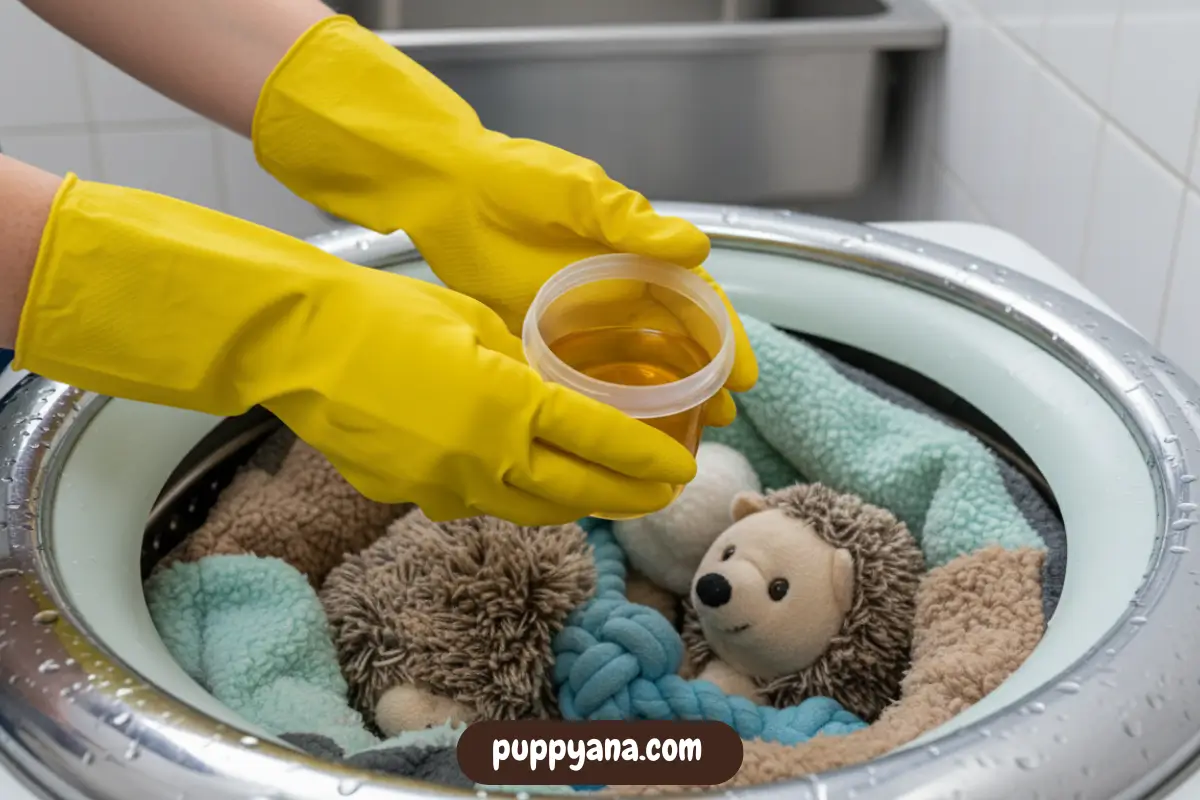
3. Wash Bedding, Toys, and Surfaces
- Use hot water to wash all bedding, toys, leashes, and clothing that touched your puppy
- Clean and vacuum floors, carpets, and crates at least weekly for a month
4. Isolate if Needed
If your puppy has sarcoptic mange (scabies), separate food bowls and limit other pets’ contact until your vet says it’s safe.
5. Monitor and Return to Vet for Follow-Up
- Watch for signs of improvement: less scratching, new hair growth, brighter skin
- If symptoms get worse, or sores spread, return to your vet right away
Real-world note: When Daisy recovered, we replaced her favorite blanket and sanitized toys weekly. This kept the mites from returning even during a major outbreak at the shelter.
Are Puppy Mites Contagious to Other Pets and People?
Some types certainly are—especially sarcoptic mange and ear mites.
- Sarcoptic mange (scabies): Easily spreads to other dogs, cats, and even people (causing short-lived itchy rashes).
- Ear mites: Can move between dogs and cats, especially in shared environments.
- Demodectic mange: Typically not contagious between pets or humans.
If one pet is diagnosed:
- Watch all furry family members for signs of scratching or skin changes
- Treat all pets as your vet directs
- Wash everyone’s bedding and dishes to avoid re-infection
For more on zoonotic risk, see AKC’s guide to mange and contagious mites.
Can You Prevent Mites in Puppies?
Prevention is easier than you might think!
- Keep puppies on regular flea/parasite prevention—it often helps repel mites too
- Wash bedding weekly and clean up after outside play
- Limit contact with unknown dogs, especially in parks or puppy classes, until “all clear”
- Check your puppy’s skin and ears every week
Some breeders, shelters, and even PuppyAna recommend a routine “puppy health check” that includes quick fur, paws, and ear inspections to catch mites or skin issues before they spread.
Can Puppies Get Mites More Than Once?
Yes, puppies can get mites again, especially if exposed to untreated pets, dirty bedding, or crowded conditions. Some puppies with weak immune systems (like those that are ill, malnourished, or on steroids) are at higher risk of recurring mange or mite infections.
Reduce repeat infections by:
- Completing the full vet-directed treatment (never stop early)
- Thoroughly cleaning all areas the puppy has touched
- Treating all pets in the home if needed
- Skipping dog parks or kennels until your vet approves
Real-life story: My neighbor’s puppy got mange twice after playing with an untreated stray dog. Cleaning, treatment, and keeping him home for four weeks finally broke the cycle.
If mites keep coming back, ask your vet about further testing for allergies or immune problems.
Home Comfort Tips: Help Your Puppy Heal Faster
Puppy mite treatment isn’t just about medicine. Comfort and home care matter too:
- Provide a soft, clean bed (change blankets often)
- Use a humidifier if your home is dry (to calm itchy skin)
- Distract with favorite toys and chews to prevent scratching
- Ask your vet about soothing sprays or creams made for puppies
I always gave Daisy frozen teething toys during treatment—chewing calmed her and stopped her from nibbling sore spots.
When to Call the Vet Again
Contact your vet right away if:
- Scratching or itching doesn’t improve after a week of treatment
- New sores, crust, or pus appear
- Your puppy seems more tired, stops eating, or acts sick
- Another pet or person in the home gets itchy or has a rash
Early action can prevent serious discomfort, spread, and even secondary skin infections.

Conclusion
Dealing with mites can feel overwhelming at first, but with quick action, a vet’s help, and a clean living space, you can get rid of mites in puppies safely and for good.
Recognize the signs early, stick to the step-by-step treatment, and support your puppy’s healing with love and patience. Keeping your puppy mite-free is a crucial part of raising a healthy, happy dog.
Frequently Asked Questions
Can I use coconut oil or home remedies for puppy mites?
No. Most “natural” fixes are unsafe or ineffective on young puppies. Always see your vet.
How quickly do puppies recover after starting mite treatment?
Mild cases improve in 1–2 weeks. Severe mange may take 4–6 weeks, with follow-up visits.
Should I treat all pets in the house at once?
Yes, if your vet recommends it—especially with sarcoptic mange or ear mites.
Can mites come back after treatment?
Yes, if eggs or bugs are left behind. Deep clean bedding, toys, and treat all pets as your vet instructs.
Are puppy mites harmful to people?
Some types (like sarcoptic mange) can cause a short, itchy rash in people but usually resolve with cleaning and treatment. Always wash after handling an infected puppy.